A Recovery Program Built for 20-Somethings in Porterville

RBH Rehab opened in 2015 through a partnership with Porterville Health System after a year of rising young-adult overdose admissions. Eleven years later, the program is still organized around the clinical question that drove its founding: what does treatment look like when the patient is twenty-two and the life they are trying to save is just getting started?

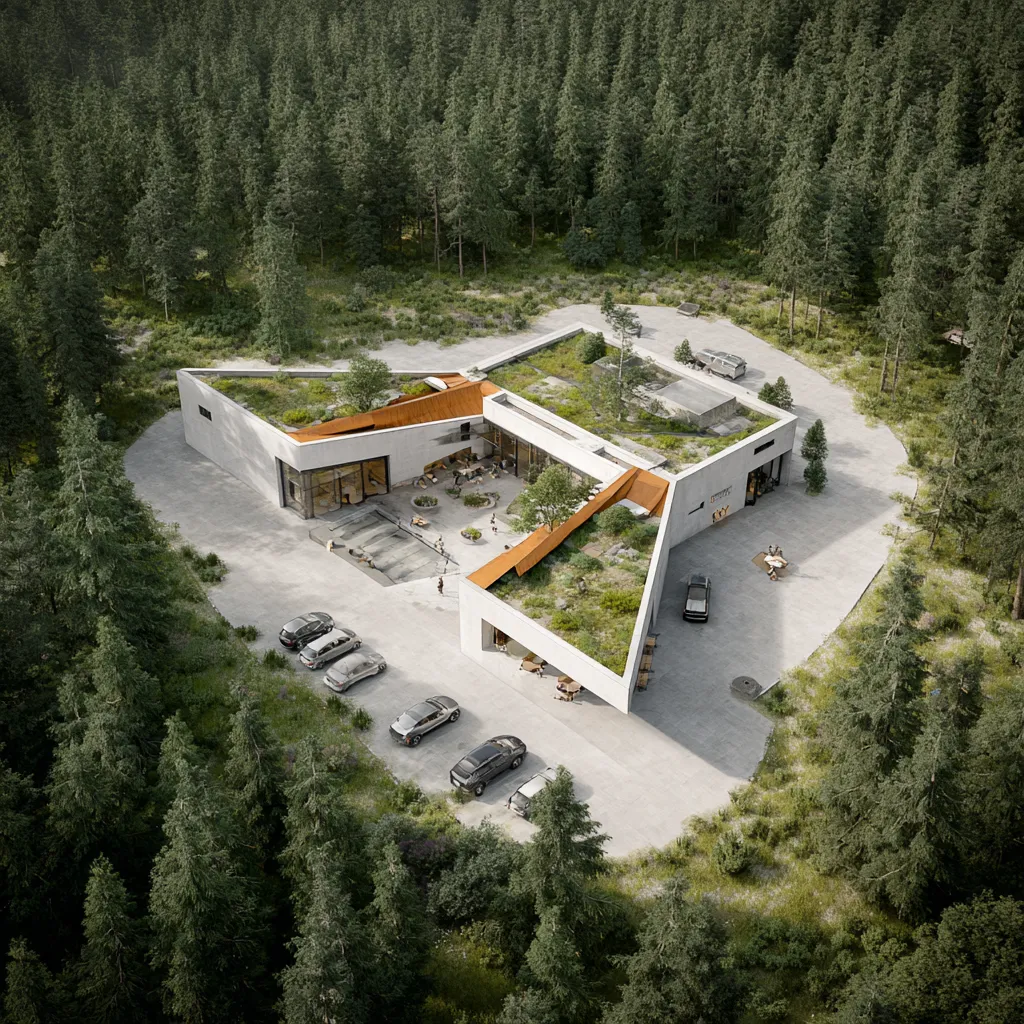
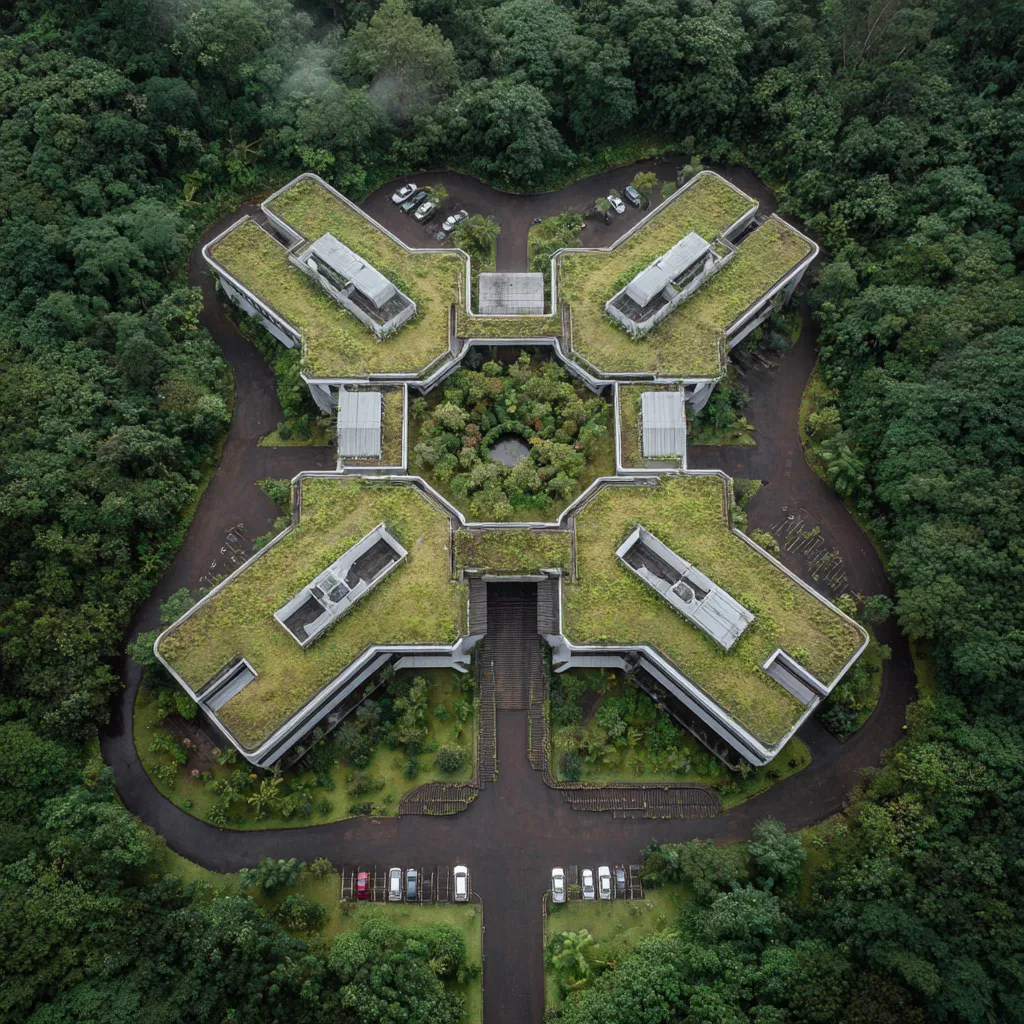
RBH Rehab facility
Dual Diagnosis Expertise
Family Programming
In-Network Insurance
24/7 Admissions

Welcome to RBH Rehab

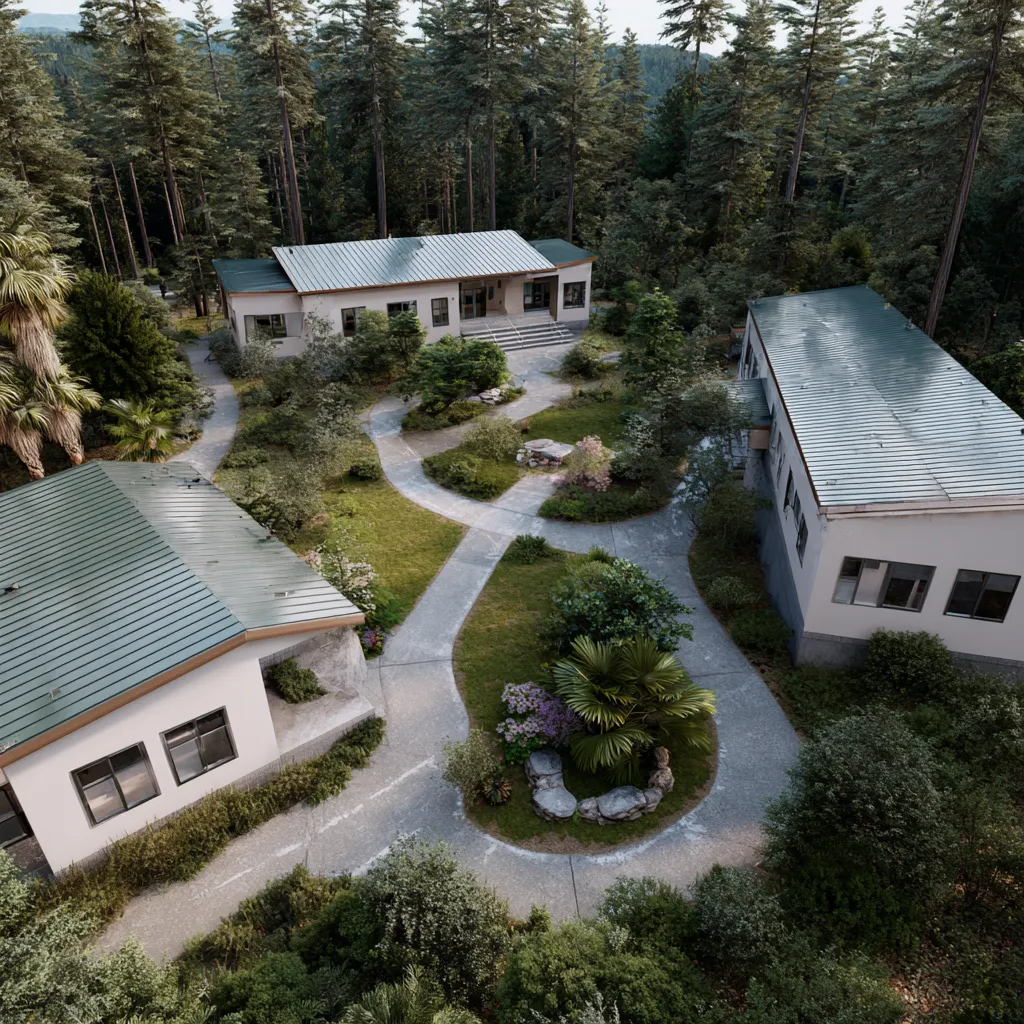
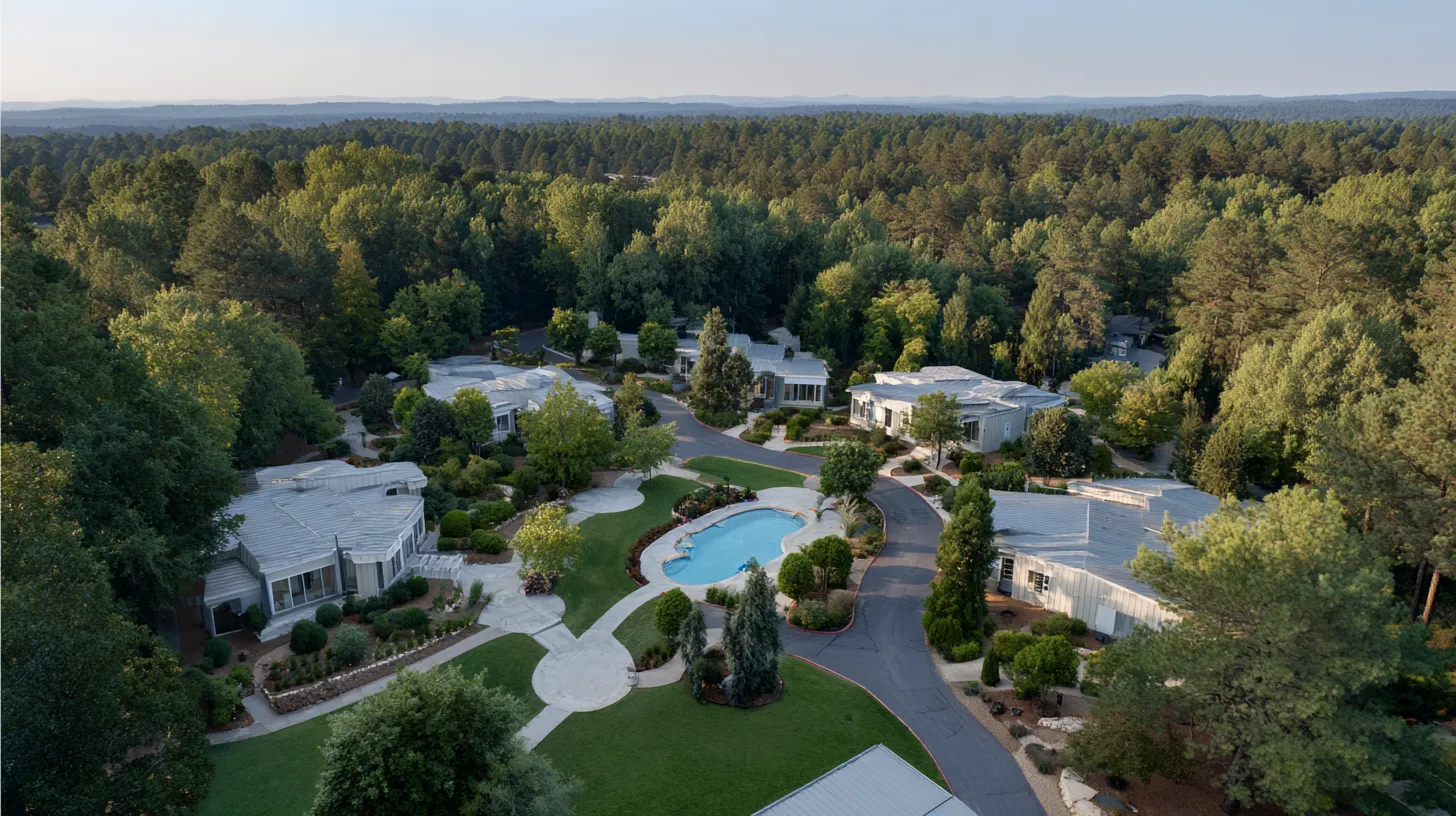
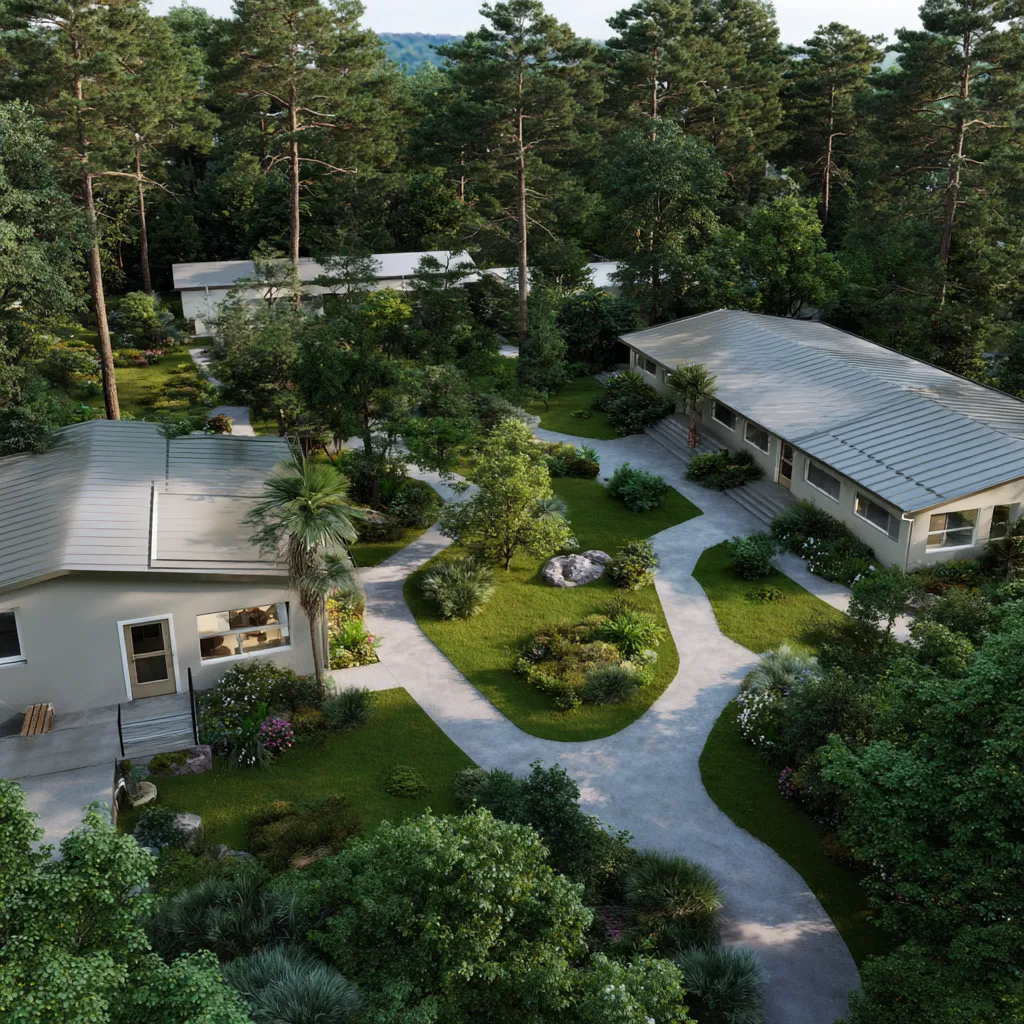
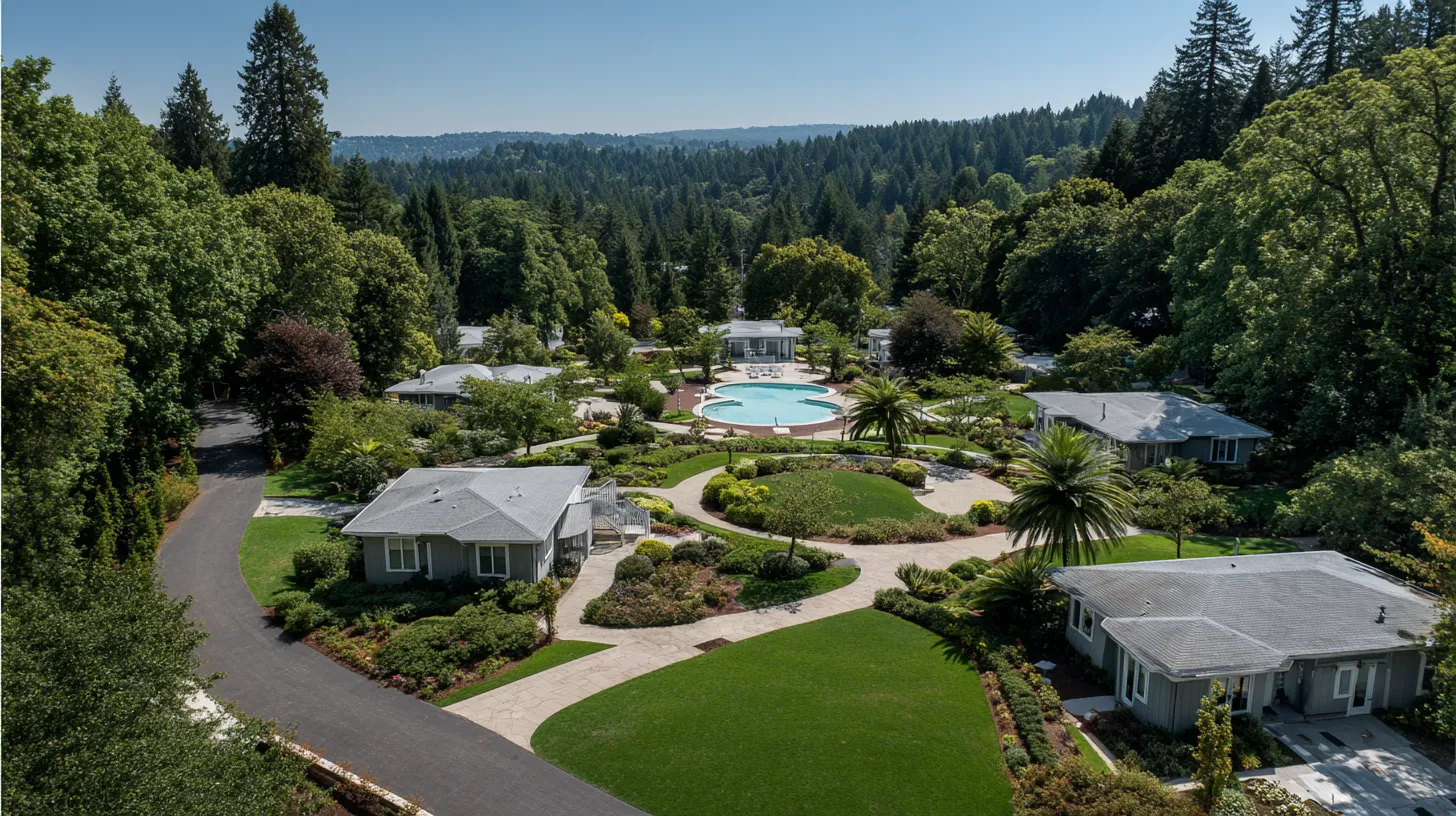
RBH Rehab sits on a two-acre campus on North Main Street, built around a creative arts studio, equine therapy barn, and desert hiking trails that organize much of the clinical day. Our 56-bed residential program and its stepped-down outpatient continuum have served 5,500 patients since 2015 - the majority of them between the ages of eighteen and thirty-five.

The clinical orientation is specific: a young-adult-focused curriculum, clinicians with specialty training in emerging-adulthood psychology, and a program structure that recognizes sobriety in your twenties is a different clinical problem than sobriety in your fifties.

About Our Center
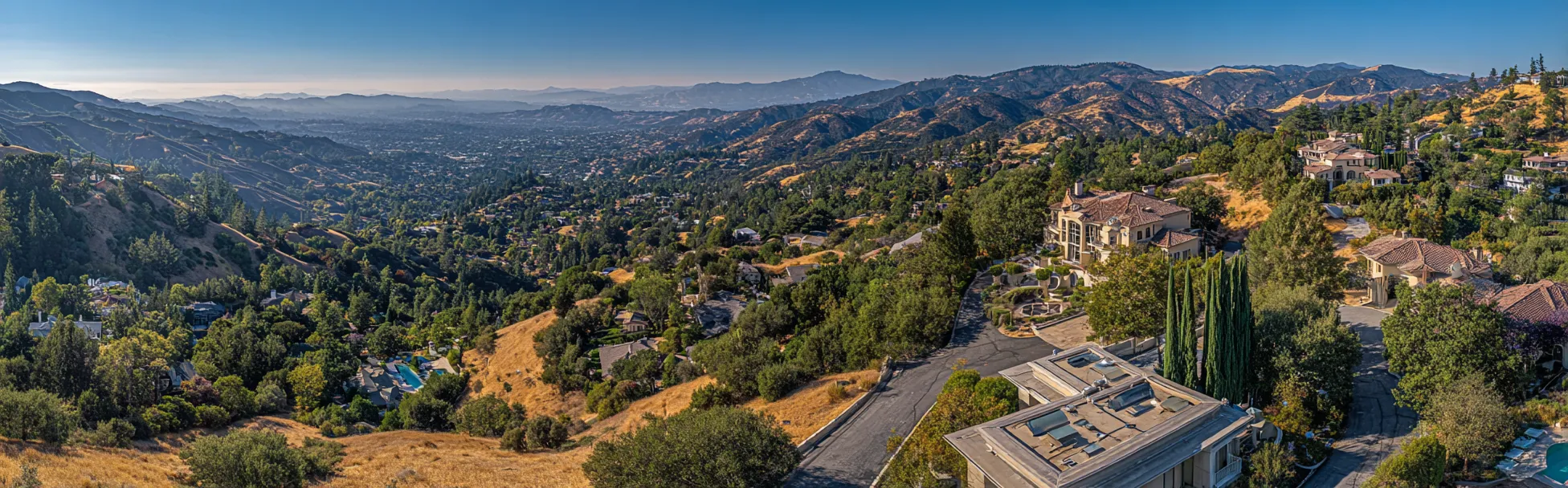
RBH Rehab facility interior Facility view

Why Choose RBH Rehab

A Young-Adult-Focused Program

The average age of an RBH resident is 27. Our group structures, educational curriculum, and peer mentorship pairings are built around the developmental reality of adults in their twenties and thirties - still building careers, still defining identity, still figuring out where a sober life fits.

Hospital-Partnership Clinical DNA

RBH was launched in 2015 through a formal partnership with Porterville Health System to address rising overdose admissions in the Central Valley. Our medical detox protocols, emergency handoffs, and hospital-to-hospital transfer workflows are still coordinated with the referring clinical teams that drove the founding.

Creative Arts as Clinical Intervention

Our creative arts studio is staffed by licensed expressive-arts therapists and integrated into every resident's treatment plan. Music, visual art, creative writing, and psychodrama are not amenities - they are clinical tools, particularly effective for patients whose substance use started in adolescence.

101 Clinicians, Shared Records

Medical, psychiatric, therapy, and case-management staff document in a single chart and meet three times weekly per resident. Information does not fall through the cracks between shifts.

Desert Hiking as Medicine

Our campus sits at the edge of trails that lead into the Sierra foothills. Nature-as-therapy is a daily clinical block, not a weekend recreation. Residents move, breathe, and process in the landscape that surrounds them.

In-Network With Seven Major Plans

Aetna, Blue Cross Blue Shield, Cigna-level Magellan, Medicaid, Medicare, Kaiser Permanente, and Centene. Our admissions team verifies benefits in under an hour and explains coverage in plain numbers.

Our Treatment Programs

Medical detox program

Medical Detox

A 3-7 day medically supervised withdrawal period in a dedicated detox wing. Physician oversight, 24-hour nursing, and evidence-based comfort medication protocols adapted from the Porterville Health System partnership that founded us.

Learn More
Residential treatment

Residential Treatment

30 to 90 days in our 56-bed residence on North Main Street. Days are built around creative arts programming, nature-based therapy blocks, and individual clinical work - a schedule designed for young adults rebuilding identity alongside sobriety.

Learn More
Outpatient program

Outpatient Program

PHP, IOP, and standard outpatient tiers. Evening IOP tracks fit college schedules and early-career work schedules so patients can continue treatment without pausing the education or employment they are protecting.

Learn More
Dual diagnosis

Dual Diagnosis

Integrated care for substance use alongside depression, anxiety, PTSD, bipolar disorder, ADHD, and complex trauma. A board-certified psychiatrist reviews every dual-diagnosis admission within 48 hours.

Learn More

Stories of Recovery

"I was twenty-three, two semesters from finishing my degree, and I had been lying about my fentanyl use for eight months. My parents drove me to RBH after I overdosed on a Tuesday afternoon and somebody called 911. I was certain I would hate every minute of it. The admissions nurse who intake me had worked a detox wing at Porterville Health System before joining RBH. She walked me through what the next 72 hours would feel like in specific terms, and for the first time in months I felt like someone was treating me as an adult making a decision, not a kid being managed. I finished 60 days residential, then their IOP, then went back and finished my degree the following spring."

- Casey M., residential alumnus, 2024

"By the time I got to RBH, my wife and my two younger brothers had stopped taking my calls. I was twenty-nine, working construction in the Central Valley, drinking a fifth a night, and every conversation with my family for three years had ended with me defensive and them exhausted. The family programming at RBH is what rebuilt that. Not because it was easy, but because it was structured - there were clinicians in the room, there were scripts for the hard conversations, there were apologies I had to make out loud. My wife walked me out on discharge day. My brothers call me now."

- Devon R., residential alumnus, 2023

"I am the mother of an RBH alumnus. My daughter was twenty-one when we brought her to the admissions office, and I want to say what I wish someone had told me then: the treatment is not just for your child. The family programming runs every Thursday, and I attended every one I could from Fresno. The clinicians taught me how to stop doing the things I thought were helping and actually were making it easier for her to keep using. She is sober twenty-two months later. So am I, by a different measure - sober from the frantic, hovering version of myself I had become."

- Yolanda K., parent of residential alumna, 2024

Insurance We Accept

We work with most major insurance providers to help make treatment accessible.

  • Aetna
  • Blue Cross Blue Shield
  • Medicaid
  • Medicare
  • Kaiser Permanente
  • Magellan
  • Centene

One Conversation, No Commitments

Admissions specialists answer the line twenty-four hours a day, seven days a week. The first call is confidential, costs nothing, and is built to give you or your loved one a clear picture of what the next step actually looks like.